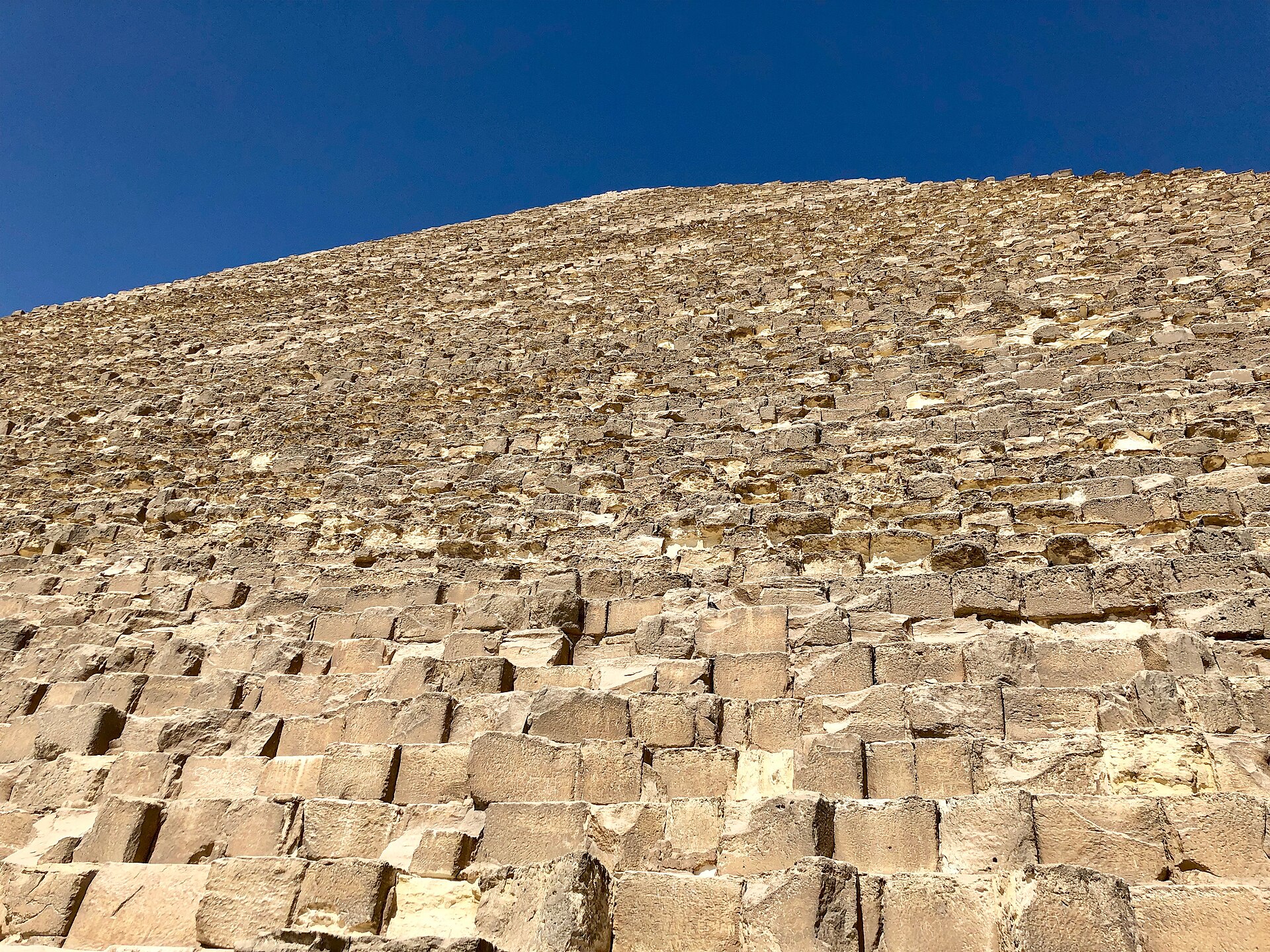
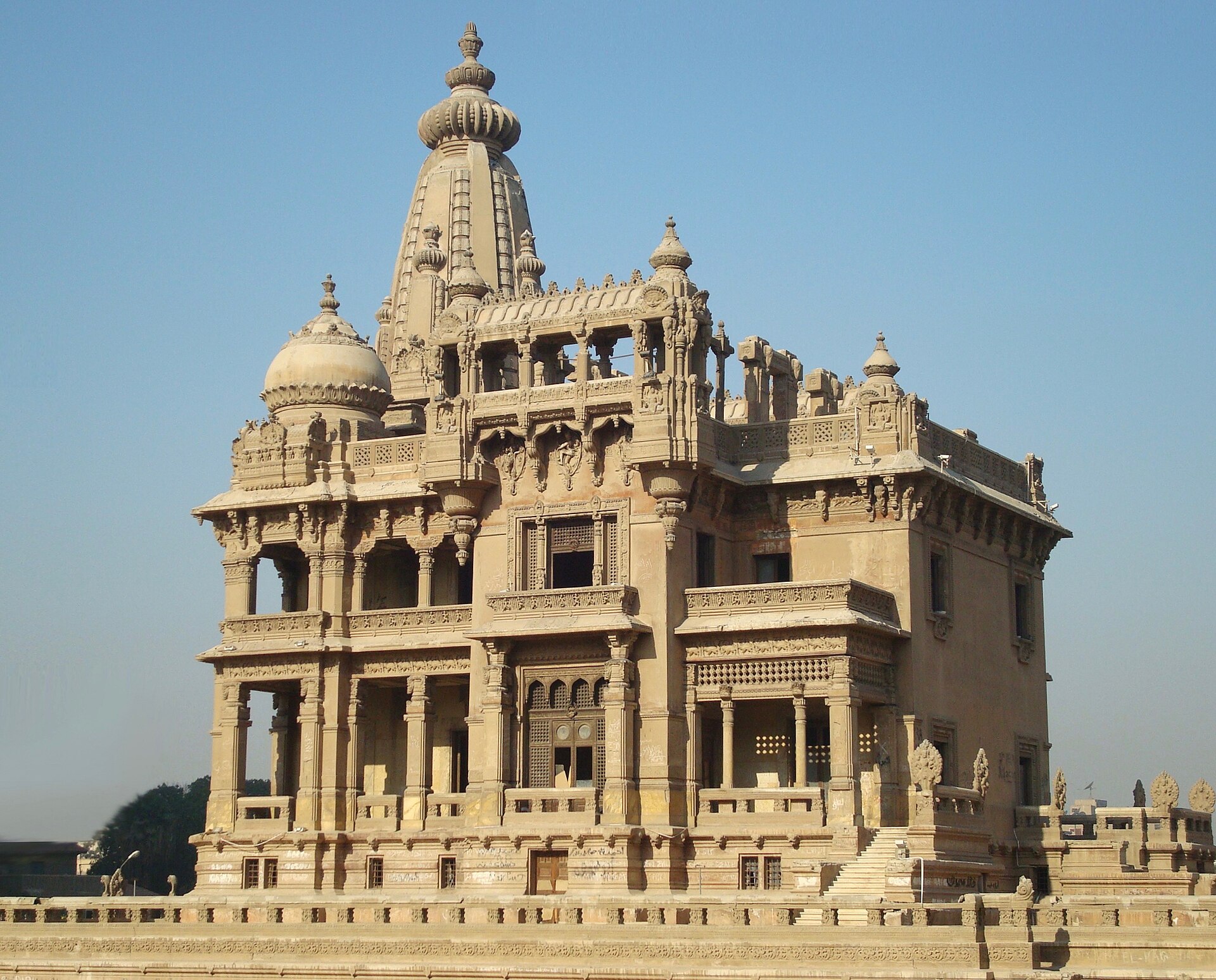
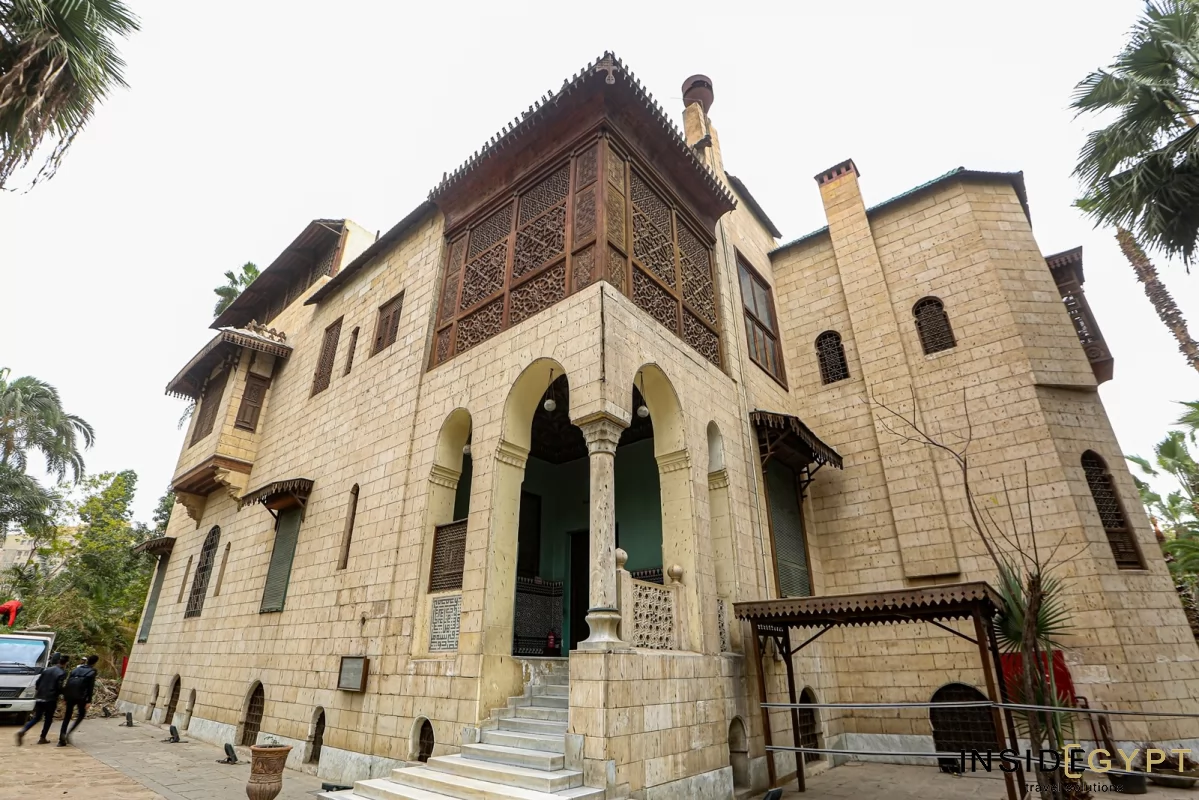
1176–1183 CE · Ayyubid fortification with Ottoman-era mosque
The story
A fortified hilltop complex begun by Salah al-Din to defend Cairo against Crusader attack, and the seat of Egyptian government for nearly 700 years. The silhouette most people recognise belongs to the much later Mosque of Muhammad Ali, whose Ottoman domes and slender minarets crown the walls.
The record
01
Built
1176–1183 CE
02
Era
Islamic - Ottoman
03
Style
Ayyubid fortification with Ottoman-era mosque
04
City
Cairo, Egypt
Why it matters
01Served as the seat of power from the Ayyubid period until the 1870s
02The Mosque of Muhammad Ali was added between 1830 and 1848
03Bir Yusuf, a well cut roughly 87m into bedrock, supplied the garrison
Egypt Landmark Finder demonstrates how multi-pass generative vision and grounded verification can accurately identify historical monuments and heritage sites across Egypt, distinguishing architecturally similar and co-located structures.
Business Applications
1
Cultural Tourism & Smart Guides
Instant real-world recognition enables interactive museum and tourist guides, enriching visitor experiences with contextual history, architectural style, and construction periods.
2
Heritage Preservation & Asset Cataloging
Assists archaeological surveys and cultural ministries in digitizing, cataloging, and verifying architectural landmarks in the field.
High-Level Technical Workflow
1
Image Ingestion & EXIF / GPS Parsing
The uploaded photo is processed to extract visual features and optional GPS coordinates to anchor the search region.
2
Multi-Pass Vision Analysis & Candidate Retrieval
Gemini vision analyzes architectural features, motifs, and surroundings, proposing candidate landmarks from a curated Egyptian heritage catalog.
3
Grounded Verification & Historical Synthesis
Candidates undergo strict cross-verification against verified encyclopedic sources to eliminate false positives and produce detailed architectural metadata, historical timeline, and nearby attractions.